



Introduction
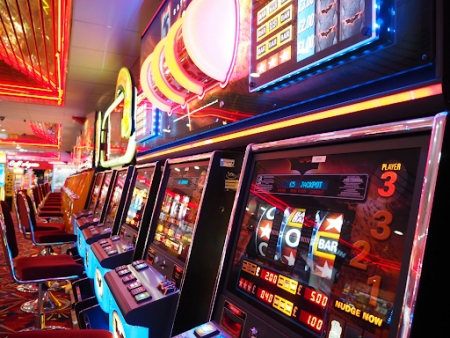
Modern slot games are designed to be visually attractive and easy to understand, but their design goes beyond simple decoration. Colors, sounds, animations, symbols, and interface layouts all contribute to the player’s overall experience.
Developers carefully combine these elements to create games that feel exciting and memorable. Understanding the psychology behind slot zeus design can reveal why certain features appear repeatedly across modern games.
The Power of Color
Color is one of the first elements players notice.
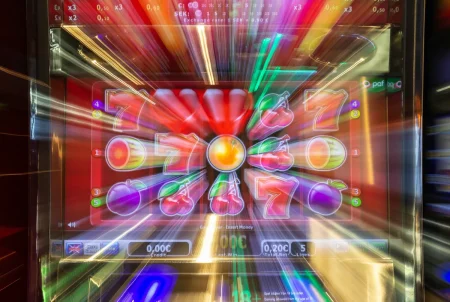
Bright colors can draw attention toward important symbols, buttons, and bonus features. Gold and similar visual themes are often associated with prizes and luxury, while darker palettes can create mystery or suspense.
The purpose is not necessarily to change the game’s mathematical outcome. Instead, color helps communicate information and establish an atmosphere.
Symbol Recognition
Slot symbols need to be recognizable almost instantly.
Players may see several symbols moving quickly across the screen, so developers use distinct shapes, sizes, and artwork to separate them.
Premium symbols often receive elaborate designs, while lower-value symbols may use simpler graphics.
Special symbols such as wilds and scatters usually have unique visual characteristics.
Animation and Anticipation
Animations create movement and help make outcomes feel dynamic.
A standard spin might involve reels accelerating, slowing, and stopping individually. When a special symbol lands, the game may introduce additional animation to emphasize its importance.
Bonus triggers can receive even more dramatic effects.
These visual changes create anticipation around important events.
Sound Effects
Sound is another major component of slot design.
A small win may produce a short sound effect, while a larger win can trigger more noticeable audio.
Bonus features often have distinctive sounds that immediately communicate that something unusual has happened.
Music can also change between the base game and bonus rounds.
Win Celebrations
Modern slots frequently use celebratory animations when a player wins.
Coins may appear on screen, numbers may increase rapidly, or the interface may display animated effects.
These elements provide immediate feedback.
However, a visually dramatic celebration does not necessarily indicate that the payout is large relative to the original stake.
Near-Miss Visuals
Some games can display outcomes where special symbols appear close together without completing the required combination.
These situations can create a sense of anticipation.
Players should remember that being visually close to a winning combination does not necessarily mean the next spin is more likely to produce one.
The underlying game mathematics determines the outcome.
Progress Bars and Meters
Progress indicators can create a sense of advancement.
A collection meter might show that a player is halfway toward a feature.
A bonus meter could gradually fill as qualifying events occur.
These visual systems can make individual spins feel connected to a broader objective.
Interactive Menus
Modern slots often include detailed information screens.
Players can access:
- Paytables
- Bonus rules
- RTP information
- Symbol explanations
- Betting controls
- Responsible-play settings
Clear menus are important because complex games can otherwise be difficult to understand.
The Influence of Video Games
Many modern slots borrow design concepts from video games.
These include:
- Character progression
- Collectibles
- Achievements
- Unlockable features
- Animated environments
- Level-style systems
These elements can make a slot feel more like interactive entertainment.
However, a video-game-style presentation does not necessarily make the underlying gambling mechanics skill-based.
Personalization
Some modern platforms experiment with personalized interfaces.
Players may be able to adjust sound, graphics, betting preferences, or other settings.
Personalization can make a game more comfortable to use, particularly on mobile devices.
Why Fast Feedback Matters
Digital interfaces are designed to provide immediate feedback.
A winning combination might trigger animations and sounds almost instantly.
This makes the relationship between action and result easy to understand.
Fast feedback is common across many forms of digital entertainment, not just gambling games.
The Importance of Responsible Design
Engaging design can make games more enjoyable, but it can also encourage longer sessions.
Features such as rapid animations, progress meters, and frequent feedback can make players want to continue.
For this reason, responsible-play tools are important.
Players should establish spending and time limits before playing rather than relying on excitement levels to determine when to stop.
Design Does Not Change the Odds
Perhaps the most important distinction is between presentation and mathematics.
A colorful slot is not necessarily more likely to pay.
A dramatic soundtrack does not increase RTP.
A progress meter does not mean a major win is guaranteed.
The game’s mathematical model remains responsible for determining outcomes.
Conclusion
Psychology plays an important role in modern slot design. Colors attract attention, symbols communicate information, sounds provide feedback, animations create anticipation, and progress systems can make individual spins feel connected to a larger experience.
These elements help developers create distinctive and engaging games, but they do not change the fundamental mathematics behind randomized outcomes.
Understanding the difference between presentation and probability allows players to appreciate the creativity of modern slot design while maintaining a realistic view of how the games actually work.