



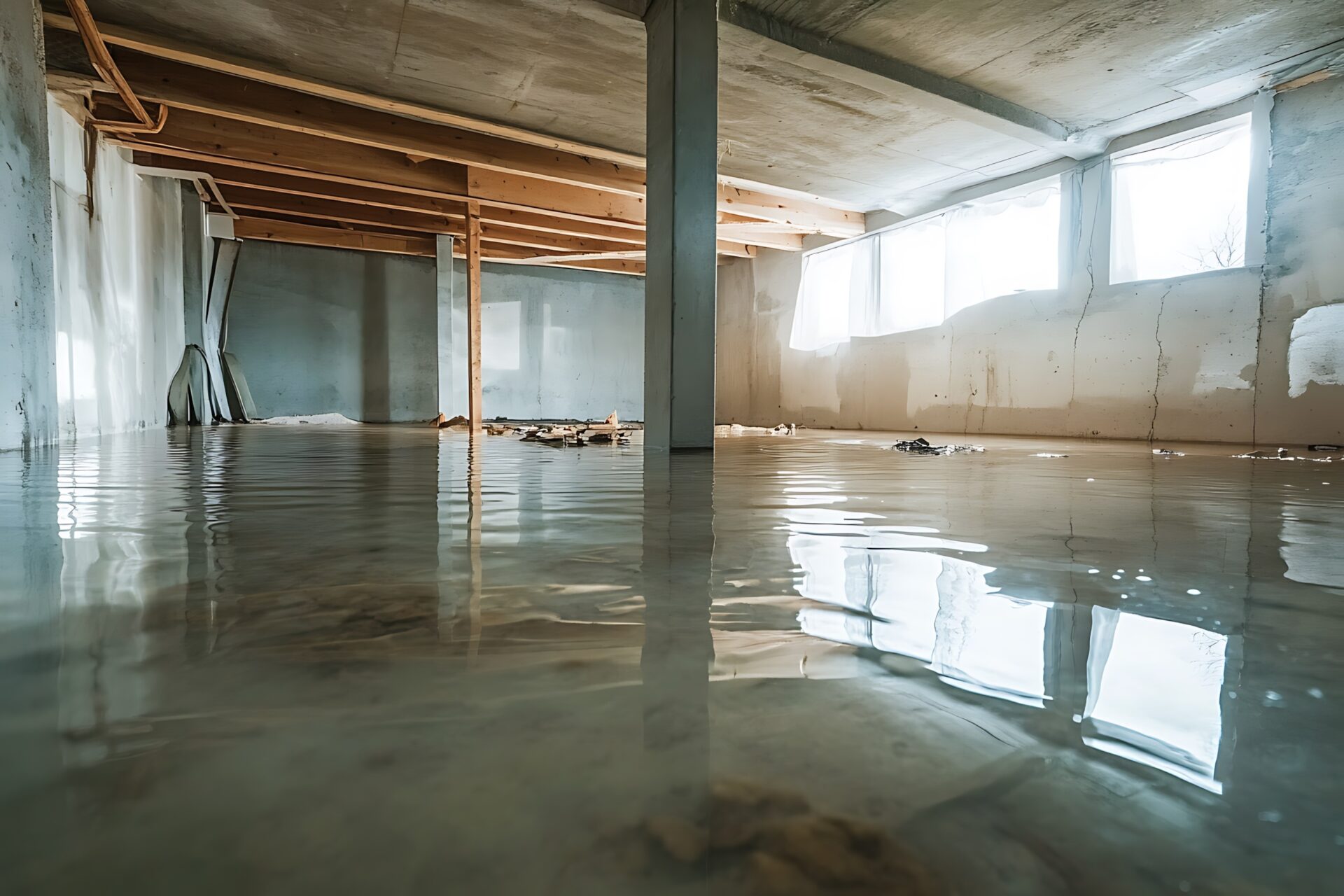
A flooded basement can quickly become one of the most stressful problems for a homeowner. Whether water enters through heavy rainfall, plumbing leaks, foundation cracks, or a failed sump pump, it can damage flooring, walls, furniture, and stored belongings. Beyond visible water damage, excess moisture can create conditions for mold growth, unpleasant odors, and structural deterioration.
Knowing how to dry a flooded basement properly is essential for protecting your home and preventing additional problems. Homeowners in Laurel, Maryland, should act quickly after flooding, especially during periods of heavy rain and changing weather conditions. The right approach involves removing standing water, drying affected materials, controlling humidity, and checking for hidden moisture.
1. Identify the Source of Basement Flooding
Before beginning the drying process, determine where the water came from. Common causes include leaking water pipes, overflowing drains, foundation cracks, damaged sump pumps, and rainwater entering through basement windows or exterior walls.
Identifying the source is important because removing water without fixing the underlying problem may lead to repeated flooding. If a plumbing pipe has burst, shut off the water supply when it is safe to do so. If groundwater is entering through the foundation, inspect drainage conditions and look for possible exterior water-management issues.
Homeowners should also consider whether the flooding involved clean water, contaminated wastewater, or sewage. This distinction affects the cleaning process and the safety precautions required.
2. Prioritize Electrical and Personal Safety
A flooded basement can contain serious electrical hazards. Never walk through standing water if electrical outlets, appliances, extension cords, or electrical panels may be submerged.
If it is safe to access the electrical panel without entering a wet area, turn off the electricity supplying the affected basement. Otherwise, contact a qualified electrician or utility professional for assistance.
Wear appropriate protective equipment, including waterproof boots, gloves, and respiratory protection when necessary. If the water contains sewage or other contaminants, avoid direct contact and leave the cleanup to trained professionals.
Safety should always come before attempts to save furniture, flooring, or personal belongings.
3. Remove Standing Water as Quickly as Possible
Once the area is safe and the source of flooding has been addressed, the next step is removing standing water. The longer water remains in the basement, the more opportunity it has to soak into building materials and personal belongings.
Depending on the amount of water, suitable equipment may include:
- Submersible pumps for significant amounts of standing water.
- Wet-dry vacuums for smaller amounts of water.
- Buckets and mops for limited surface water.
- Professional water extraction equipment for extensive flooding.
Avoid using ordinary household vacuums to collect water. They are not designed for this purpose and can create electrical hazards.
If the basement has experienced substantial groundwater flooding, avoid pumping it out too quickly without professional guidance. A high groundwater level can create pressure against basement walls and floors, potentially causing cracking or structural movement.
4. Move Wet Furniture and Belongings
After removing standing water, take out furniture, rugs, cardboard boxes, clothing, and other belongings that have become wet. Moving these items helps expose hidden moisture and allows air to circulate throughout the basement.
Separate salvageable belongings from items that may need disposal. Nonporous materials such as metal, glass, and some plastic items are often easier to clean and dry. Porous materials, including soaked carpets, upholstered furniture, and damaged insulation, may be difficult to restore safely.
Photograph damaged belongings and affected areas before disposing of anything, especially if you plan to file an insurance claim.
5. Improve Air Circulation Throughout the Basement
Air movement is an important part of drying a flooded basement. Once standing water has been removed and the area is safe, use appropriate fans to move air across wet surfaces.
Open windows and exterior doors when outdoor conditions are suitable. However, bringing in humid outdoor air can slow the drying process, particularly during warm or rainy weather.
Professional restoration teams often use high-powered air movers to direct airflow across floors, walls, and other affected surfaces. These machines can help moisture evaporate more efficiently than ordinary household fans.
Make sure air circulation reaches corners, closets, spaces beneath stairs, and other areas where moisture can remain trapped.
6. Use Dehumidifiers to Control Moisture
Removing visible water does not mean the basement is completely dry. Moisture can remain inside concrete, drywall, wood framing, insulation, and flooring materials.
A dehumidifier helps remove water vapor from the air and supports the overall drying process. For larger basements, commercial-grade equipment may be more effective than a small residential unit.
Keep doors and windows closed when operating a dehumidifier if outdoor humidity is high. Empty the collection tank regularly or use a continuous drainage connection where appropriate.
Monitoring indoor humidity with a hygrometer can also help determine whether conditions are improving. The goal is to restore a stable indoor environment and prevent moisture from remaining trapped in building materials.
7. Remove Materials That Cannot Be Dried Properly
Some building materials may not be salvageable after significant flooding. Wet drywall, insulation, carpeting, and certain types of flooring can retain moisture long after the visible water disappears.
If contaminated water entered the basement, porous materials that absorbed it may require removal and professional disposal. Even when flooding involves relatively clean water, materials that remain wet for an extended period may develop mold growth.
Do not cover damp walls with fresh paint, install new flooring over wet subfloors, or replace insulation before confirming that the underlying materials are dry.
A professional inspection can help determine which materials can be restored and which should be replaced.
8. Clean and Disinfect Affected Surfaces
Once water and damaged materials have been removed, thoroughly clean the remaining surfaces. Hard, nonporous materials may be cleaned using appropriate household cleaning products according to their instructions.
If sewage or contaminated floodwater entered the basement, specialized cleaning and disinfection procedures are necessary. Porous materials exposed to contaminated water may need to be discarded.
Never mix bleach with ammonia, vinegar, or other cleaning products, as dangerous chemical reactions can occur. Also, avoid relying on bleach as a universal solution for mold on porous materials.
Proper cleaning helps remove dirt, residue, and contaminants that may remain after water extraction.
9. Inspect for Mold and Hidden Moisture
Mold can begin developing on damp materials within approximately 24 to 48 hours under favorable conditions. This makes a thorough inspection an important part of basement restoration.
Look for warning signs such as:
- Musty or earthy odors.
- Dark or discolored patches on walls and ceilings.
- Peeling paint or bubbling drywall.
- Soft or swollen wooden materials.
- Persistent condensation around pipes and windows.
- Dampness behind stored belongings or furniture.
Remember that mold can grow in concealed locations, including behind drywall, beneath flooring, and inside insulation. A basement that looks dry may still contain moisture in hidden areas.
If mold covers a large area, keeps returning, or is associated with extensive water damage, consider hiring qualified remediation professionals.
10. Prevent Future Basement Flooding
After the basement has been dried and restored, take steps to reduce the likelihood of another flooding incident.
Start by checking the gutters and downspouts. Make sure they are clear of debris and direct rainwater away from the foundation. Inspect the ground around the house to ensure it slopes away from the basement walls.
Additional preventive measures include:
- Testing the sump pump regularly.
- Considering a battery backup for the sump pump.
- Repairing foundation cracks promptly.
- Inspecting basement plumbing for leaks.
- Maintaining exterior drainage systems.
- Installing suitable window well covers.
- Keeping valuable belongings off basement floors.
These measures can help reduce water intrusion and protect the basement during future storms.
When Should You Hire a Professional Water Damage Restoration Team?
Some basement flooding situations are too extensive or hazardous for ordinary household cleanup. Professional assistance is particularly important when water covers a large area, remains inside wall cavities, involves sewage, or causes significant damage to flooring and structural materials.
Restoration professionals have access to commercial water extractors, air movers, dehumidifiers, moisture meters, and other specialized equipment. They can assess the extent of the damage, develop a drying plan, and monitor moisture levels throughout the restoration process.
Homeowners looking for water damage restoration laurel md services should consider companies with appropriate training, experience, insurance, and a clear explanation of their restoration procedures.
Professional help can also be valuable when the basement continues to smell damp despite visible water removal or when mold appears after flooding.
How Long Does It Take to Dry a Flooded Basement?
The drying timeline depends on several factors, including the amount of water, the materials affected, basement ventilation, outdoor humidity, and the efficiency of the drying equipment.
A small area with limited water exposure may dry relatively quickly after proper extraction and ventilation. However, a basement with soaked drywall, carpeting, insulation, or concrete may require several days or longer to dry thoroughly.
Concrete and other dense materials can retain moisture even when their surfaces feel dry. For this reason, professional moisture measurements are more reliable than simply judging the condition by touch.
Avoid rushing repairs or reinstalling flooring before the affected materials have reached acceptable moisture levels.
Common Mistakes to Avoid When Drying a Flooded Basement
Homeowners sometimes make mistakes that increase the cost and complexity of basement restoration. One common mistake is delaying water removal because the visible water level appears manageable. Even a relatively small amount of water can spread into flooring, walls, and stored belongings.
Another mistake is using fans without controlling humidity. Air movement alone may not remove enough moisture, particularly when the surrounding air is already humid.
Other mistakes include:
- Ignoring the original source of flooding.
- Turning on electrical equipment in wet areas.
- Leaving soaked carpets and furniture inside.
- Painting over damp drywall.
- Assuming concrete is dry because its surface feels dry.
- Cleaning contaminated water without proper protection.
- Ignoring musty odors after cleanup.
Avoiding these problems can help homeowners achieve a more complete and lasting restoration.
Final Thoughts
Drying a flooded basement requires more than removing standing water. Homeowners must identify the source of flooding, prioritize safety, extract water, improve air circulation, control humidity, clean affected surfaces, and check for hidden moisture.
Taking prompt action can reduce the risk of mold growth, material deterioration, and expensive repairs. For extensive flooding or contaminated water, professional assistance is often the safest and most effective approach.
With proper drying techniques, careful inspections, and preventive maintenance, Laurel homeowners can restore their basements and reduce the chances of future water damage.