




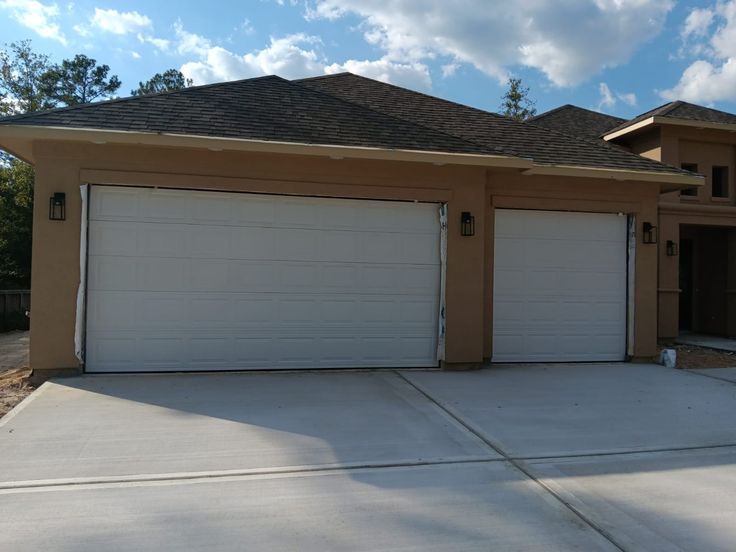
Installing a new garage door is an excellent way to improve your home’s appearance, security, and functionality. While many homeowners budget for the cost of the door itself and basic installation, unexpected expenses can quickly increase the final price. These hidden costs often come from additional repairs, upgrades, customization, and installation challenges that are not always included in the initial estimate.
Understanding these potential expenses before starting your project can help you plan a realistic budget and avoid unpleasant surprises. This guide explores the most common hidden costs of garage door installation Phoenix AZ and provides practical tips for keeping your project affordable.
Why Garage Door Installation Costs Can Increase Unexpectedly
A garage door installation involves more than simply attaching a new door to existing tracks. The process may require adjustments to your garage structure, replacement of old components, electrical work, or additional safety features.
Common reasons costs increase include:
- Hidden structural damage
- Removal and disposal fees
- Upgrading outdated hardware
- Additional labor requirements
- Custom design choices
- Electrical modifications
A detailed inspection before installation can help identify these issues early.
1. Old Garage Door Removal and Disposal Fees
Many homeowners assume that removing their existing garage door is included in the installation price. However, some companies charge separately for removing and disposing of the old door.
Potential Cost
Old garage door removal may add:
- $100–$300 or more
The price depends on:
- Door size
- Material weight
- Disposal fees
- Local regulations
How to Avoid This Cost Surprise
Before hiring an installer:
- Ask if removal is included in the quote.
- Confirm whether disposal fees are separate.
- Request a written estimate that lists all charges.
Some companies include removal as part of a complete installation package, so comparing quotes can help you find better value.
2. Garage Door Frame Repairs
The garage door depends on a strong and properly aligned frame. During installation, contractors may discover damaged wood, rusted metal, or structural issues around the opening.
Common Problems
- Rotting wooden frames
- Cracked support areas
- Water damage
- Warped framing
Potential Cost
Frame repairs can range from:
- $100 to $1,000+
depending on the severity of the damage.
How to Avoid Unexpected Repair Costs
Before installation:
- Inspect the frame yourself.
- Look for moisture damage or cracks.
- Ask the installer to inspect the opening during the estimate.
Fixing structural problems before installation helps prevent delays and additional labor charges.
3. Upgrading Old Garage Door Hardware
A new garage door may not work properly with outdated components. Old tracks, rollers, springs, and brackets may need replacement to ensure safe operation.
Components That May Require Replacement
- Torsion springs
- Extension springs
- Rollers
- Hinges
- Tracks
- Cables
- Brackets
Potential Cost
Hardware upgrades may add:
- $100–$500+
How to Avoid This Cost
Ask whether the installation quote includes:
- New tracks
- New springs
- New hardware
- Safety components
Choosing a complete installation kit often provides better compatibility and reliability.
4. Garage Door Opener Replacement
Many homeowners replace their garage door but forget to consider the condition of their existing opener.
An older opener may not support:
- New door weight
- Modern safety requirements
- Smart home features
Potential Cost
A new garage door opener may cost:
- $150–$700
- Plus installation fees
How to Avoid Extra Expenses
Before installation:
- Test your current opener.
- Check its age and lifting capacity.
- Ask if it is compatible with the new door.
Replacing an outdated opener at the same time may save future labor costs.
5. Electrical Work and Outlet Installation
Automatic garage door openers require proper electrical connections. Some garages may not have a suitable outlet near the opener location.
Possible Electrical Costs
You may need:
- New outlets
- Wiring upgrades
- Electrical repairs
- Dedicated circuits
Potential Cost
Electrical work can add:
- $100–$500+
How to Avoid Surprises
Inspect your garage before installation:
- Check outlet placement.
- Confirm power availability.
- Discuss electrical requirements with your installer.
Planning ahead prevents last-minute electrical charges.
6. Insulation Upgrades
Many homeowners choose insulated garage doors after learning about energy efficiency benefits. However, insulation is often an additional cost.
Benefits of Insulated Garage Doors
- Better temperature control
- Reduced outside noise
- Improved energy efficiency
- Increased durability
Potential Cost
Insulation upgrades may add:
- $200–$1,000+
How to Avoid Overspending
Consider your garage use:
Choose insulation if you have:
- An attached garage
- A home office or workshop
- Extreme weather conditions
For storage-only garages, a basic door may be sufficient.
7. Custom Designs and Appearance Upgrades
A standard garage door may fit your budget, but decorative features can quickly increase costs.
Common Upgrades
- Custom colors
- Decorative windows
- Premium finishes
- Designer hardware
- Wood-look materials
Potential Cost
Appearance upgrades can add:
- $100–$2,000+
How to Avoid Cost Overruns
Decide your priorities before shopping.
Focus on upgrades that improve:
- Durability
- Security
- Energy efficiency
Choose decorative options only if they fit your budget.
8. Garage Door Size and Custom Measurements
Standard garage door sizes are usually more affordable. If your garage opening has unusual dimensions, you may need a custom door.
Why Custom Sizes Cost More
Custom doors require:
- Special manufacturing
- Longer production times
- Unique hardware
Potential Cost Increase
Custom sizing may add:
- Hundreds or thousands of dollars
How to Avoid This Expense
Measure your garage opening carefully before ordering.
If possible:
- Choose standard sizes.
- Avoid unnecessary modifications.
- Ask about available standard options.
9. Permit and Inspection Fees
Some locations require permits for garage door replacement, especially if structural changes are involved.
Potential Costs
Permit fees may range from:
- $50–$300+
How to Avoid Unexpected Charges
Before installation:
- Check local building requirements.
- Ask the contractor whether permits are included.
- Include inspection fees in your budget.
10. Delivery and Transportation Charges
Large garage doors require specialized transportation. Some companies include delivery, while others charge separately.
Potential Cost
Delivery fees may add:
- $50–$300+
How to Avoid Extra Fees
Ask about:
- Delivery charges
- Installation location fees
- Scheduling costs
A detailed quote should clearly show transportation expenses.
11. Emergency or Expedited Installation Fees
If your garage door is broken and you need immediate replacement, you may pay additional fees for faster service.
Potential Cost
Emergency installation may cost more due to:
- After-hours labor
- Priority scheduling
- Limited availability
How to Avoid Higher Prices
Whenever possible:
- Plan replacement before failure.
- Schedule installation during normal business hours.
- Avoid emergency service situations.
Tips for Creating an Accurate Garage Door Installation Budget
A realistic budget should include more than the door price.
Consider these categories:
Door Cost
Includes:
- Material
- Style
- Size
- Insulation
Installation Labor
Includes:
- Assembly
- Hardware installation
- Safety testing
Additional Components
Includes:
- Opener
- Springs
- Tracks
- Sensors
Repairs and Modifications
Includes:
- Structural repairs
- Electrical work
- Adjustments
How to Get a Transparent Installation Quote
A detailed quote should include:
- Garage door price
- Labor charges
- Removal fees
- Hardware costs
- Warranty details
- Additional service charges
Avoid companies that provide only a basic estimate without explaining possible extra costs.
Questions to Ask Your Garage Door Installer
Before signing a contract, ask:
- Is removal of the old door included?
- Are new tracks and hardware included?
- Are disposal fees separate?
- Does the quote include labor?
- Are there possible repair costs?
- Is the opener compatible?
- What warranty is provided?
Clear communication helps prevent unexpected expenses.
Conclusion
Garage door installation costs can increase when hidden expenses appear during the project. Removal fees, hardware upgrades, structural repairs, electrical work, insulation, and custom features are some of the most common reasons homeowners spend more than expected.
The best way to avoid surprises is to plan carefully, request detailed estimates, inspect your garage before installation, and understand exactly what is included in the price. By preparing for potential costs in advance, you can complete your garage door upgrade with confidence while staying within your budget.