




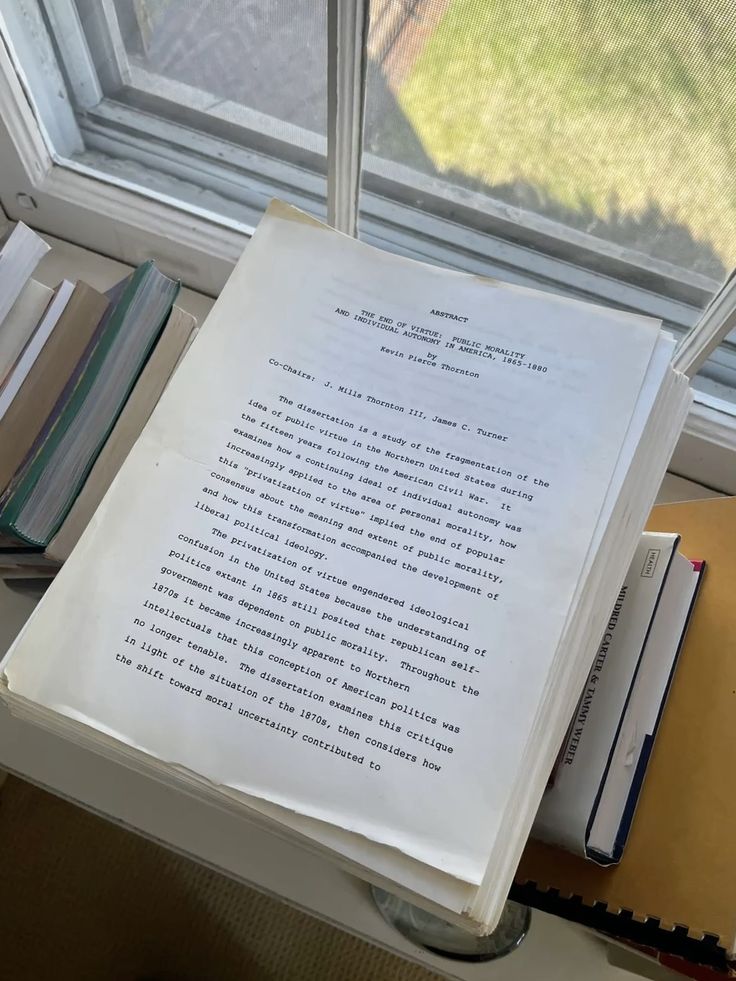
A finished manuscript is not necessarily a finished book. Before publication, most manuscripts benefit from careful editing to improve structure, clarity, consistency, and readability. Professional editing is one of the most important stages of Best business book publishers because it helps transform an author’s initial work into a polished product that readers can enjoy.
Why Authors Need Editors
Writers are often too close to their own manuscripts to identify every problem. After spending months or years working on a book, an author may automatically overlook repeated words, confusing passages, inconsistent details, or structural weaknesses.
An editor provides an independent perspective. Rather than replacing the author’s voice, a good editor identifies areas that could be stronger and explains possible solutions.
Professional editing is particularly valuable for books intended for commercial publication because readers generally expect a polished experience.
Developmental Editing
Developmental editing focuses on the manuscript as a whole. For fiction, an editor may examine plot structure, character development, pacing, dialogue, setting, and narrative consistency.
For nonfiction, developmental editing can address organization, arguments, explanations, chapter structure, and the logical progression of ideas.
This stage can sometimes involve significant changes. A chapter might need to move, a section may need expansion, or unnecessary material may need removal.
The goal is not simply to correct mistakes but to make the book more effective.
Copyediting
Copyediting works at the sentence level. A copyeditor examines grammar, spelling, punctuation, syntax, word choice, and consistency.
Copyediting also helps maintain a consistent style. For example, a nonfiction book may use technical terminology that needs to remain consistent throughout every chapter.
For fiction, copyediting can preserve an author’s voice while correcting distracting language problems.
Proofreading
Proofreading is the final stage of editorial quality control. It takes place after the manuscript has been edited and formatted.
A proofreader looks for remaining typographical errors, missing words, punctuation problems, formatting inconsistencies, and other small mistakes.
Proofreading is especially important because errors can sometimes appear during the formatting process even when the manuscript was previously clean.
Editing and Reader Expectations
Readers quickly notice poor editing. Frequent spelling mistakes, awkward sentences, inconsistent information, and confusing formatting can interrupt the reading experience.
In competitive publishing markets, quality can influence reviews and recommendations. A professionally edited book demonstrates that the author has invested time and effort into delivering a reliable reading experience.
Finding the Right Editor
Not every editor is suitable for every manuscript. Authors should look for professionals with experience in their genre or subject area.
A romance novel, technical guide, memoir, and business book may require very different editorial approaches. Authors should review an editor’s experience, sample work, services, rates, and communication style before making a decision.
It is also useful to clarify whether the project requires developmental editing, copyediting, proofreading, or a combination.
Balancing Editorial Suggestions
Authors do not have to accept every editorial recommendation. The purpose of editing is to strengthen the manuscript while preserving the author’s intended message and voice.
A productive author-editor relationship involves discussion and mutual respect. Authors should be open to constructive criticism while remaining responsible for their creative decisions.
Editing as an Investment
Some writers view editing as an expense, but it is better understood as an investment in the book’s quality. Saving money by skipping essential editing can create problems later, particularly if readers identify avoidable errors.
A professional editorial process can improve the manuscript before money is spent on printing, advertising, and distribution.
Conclusion
Professional editing plays a central role in successful book publishing. Developmental editing improves structure, copyediting strengthens language, and proofreading catches final mistakes. Together, these stages help authors produce books that are clear, consistent, professional, and enjoyable. Investing in editing can ultimately strengthen an author’s reputation and give every published work a better foundation.